Forse la lenta tua malinconia si perde
se nella notte ad un veloce
treno l’affidi.
Sandro Penna
Perhaps your slow melancholy loses itself
if in the night to a fast
train you entrust it.
(English Translation by composer)
Nella notte, un veloce treno is an electroacoustic audiovisual composition inspired by Sandro Penna's poem Forse la lenta tua malinconia from Appunti (1938–1949). The work explores melancholy, unconscious loss, rhythm, dreams, and modernity through the image of the train. Drawing on Freud's theory of melancholia, Nicolas Abraham's concept of rhythmising consciousness, and Surrealist explorations of dream and automatism, it investigates how rhythm and moving image suspend ordinary perception, transporting the listener into a liminal state between wakefulness and sleep. Rather than illustrating Penna's poem, the composition translates its emotional and psychological landscape into sound and image, inviting audiences to undertake their own symbolic journey through memory and loss.
Central to the work is Penna's contrast between lenta malinconia ('slow melancholy') and the veloce treno ('fast train'). Melancholy is presented not as something to escape but as a precious part of the self. I extend this symbolism by interpreting the train as a metaphor for industrial modernity, technological progress, and increasingly accelerated ways of living. In this context, melancholy 'loses itself' because modern life leaves little space for contemplation, reflection, or emotional dwelling.
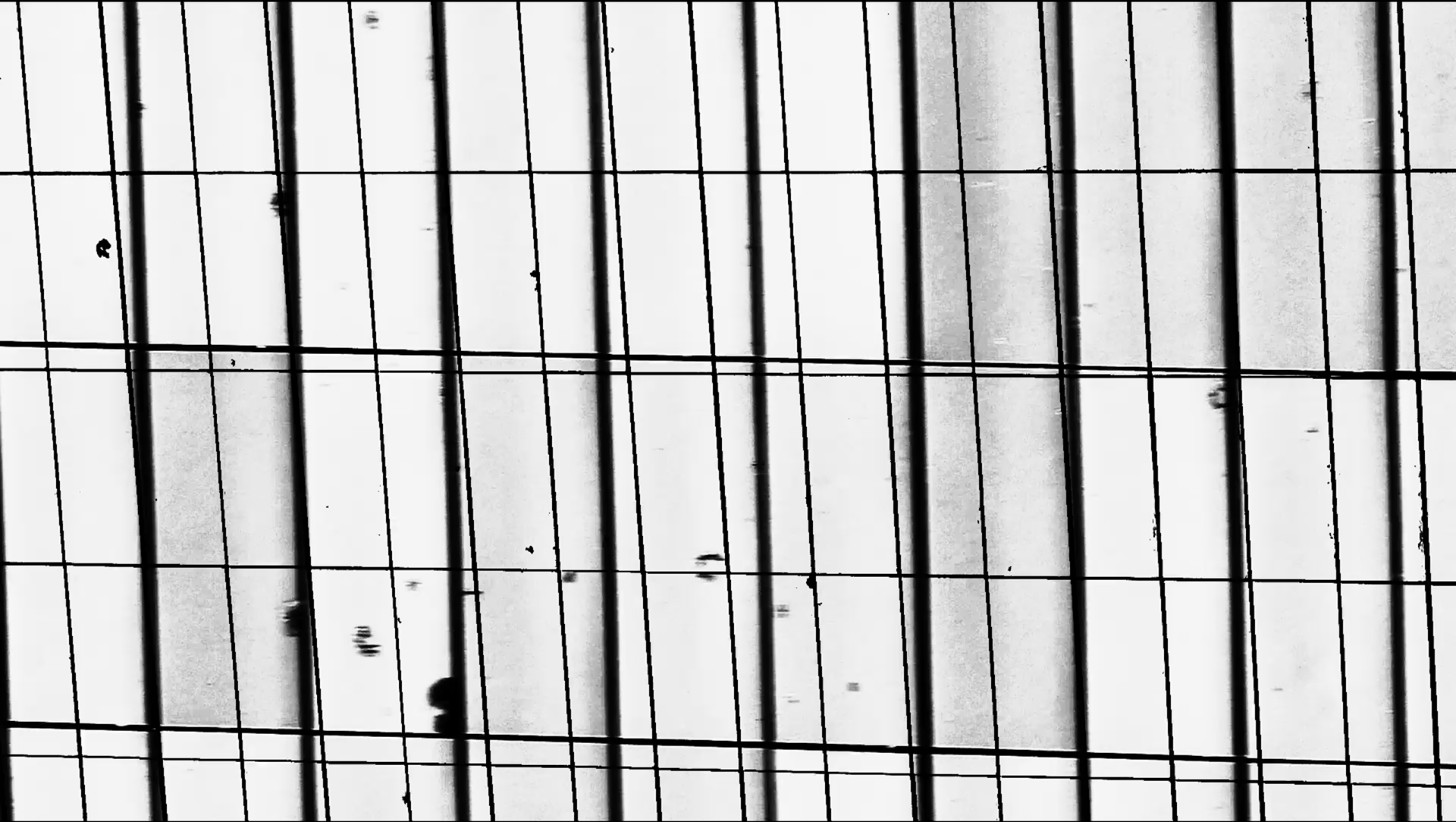
This idea shapes both the music and video. The work begins with Penna's recorded voice, nostalgic electronic textures, and blurred images of rain against a train window. Gradually, train rhythms multiply and intensify until they overwhelm both sound and image. Drawing on Abraham's theory, repetition gradually dissolves ordinary perception, carrying the listener into a dream-like state that becomes increasingly oppressive. Inspired by Surrealist aesthetics like André Masson's automatic drawings, and Magritte's uncanny imagery, the improvisation on Lyra-8 and modular synthesiser dissolves recognisable trains into abstraction, leaving the train as an open symbol onto which listeners may project their own memories, anxieties, and associations.